

WAMENA - Non-Papuan civilians who work as teachers, healthcare workers, entrepreneurs, motorcycle taxi drivers, to pilots are now facing a major threat in the midst of the armed conflict that continues to rage.
The presence of the community serving these basic needs frequently becomes an easy target for violence because they are accused of being Indonesian spies.
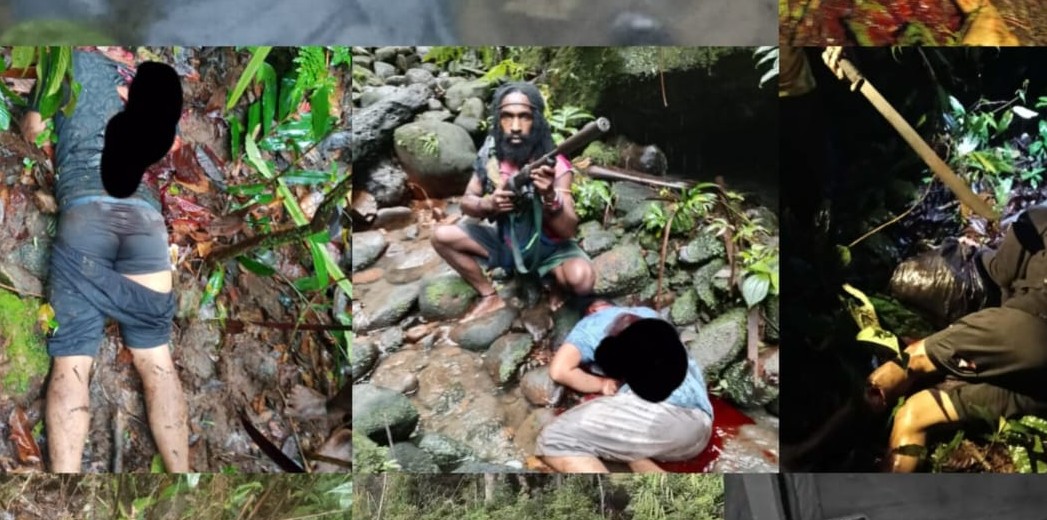
A series of recent tragic events befell eight gold miners in the Korowai region who were reported to have died as a result of a military operation. The West Papua National Liberation Army (TPNPB) forces launched a measured movement from 17 to 20 May 2026 in the area.
The TPNPB armed operation ended with the shooting death of eight traditional mining workers in Korowai District. A fatal step was taken because the gold miners were strongly suspected of being members of the Indonesian National Armed Forces (TNI) or the National Police of the Republic of Indonesia (Polri).
This kind of bloody incident continues to recur in various conflict-base regions without any signs of subsiding in the near future. Unilateral accusations regarding involvement as intelligence agents make the immigrant community feel highly unsafe in conducting activities.
All this time, cases of the loss of lives of non-Papuan citizens in the hinterland have seemed to receive less serious attention from both regional and central governments. The fundamental right to live safely as well as equal legal protection seem neglected in the midst of the escalating conflict that is increasingly sharpening.
This fragile security condition formed the background of the working visit of the Vice President of the Republic of Indonesia, Gibran Rakabuming Raka, to Yahukimo Regency, Papua Pegunungan Province. The important agenda which had been postponed was finally realized on Tuesday, 21 April 2026.
The Vice President landed at Nop Goliat Dekai Airport using a special aircraft belonging to the Indonesian Air Force with tight escort from central officials. The arrival of the cabinet entourage was focused on encouraging the acceleration of development and the optimization of basic services for the community in the Yahukimo region.
However, the presence of the high-ranking state official is deemed not yet able to touch the root causes of the armed conflict comprehensively. Evidently, not long after the working visit was completed, armed clashes broke out again between the Indonesian military and TPNPB.
Mining activities in Korowai District also again claimed casualties with the same execution pattern as the previous incidents. Eight civilians who were referred to as undercover military personnel had to lose their lives in the middle of the Papuan wilderness.
This prolonged humanitarian crisis triggers sharp criticism regarding the priority of the government's foreign policy and domestic policy. At a time when Jakarta is busy giving attention to international conflicts, a peaceful settlement in the land of Papua instead stagnates.
The bad impact of warfare is actually felt equally both by the Indigenous Papuan People and immigrant residents who seek a livelihood. All elements of society are now trapped in a circle of fear, psychological terror, and future uncertainty that is highly exhausting.
The Director of the Papua Justice and Human Integrity Foundation as well as a Human Rights Defender in Papua, Theo Hesegem, gave a critical view regarding this complicated situation. The ceremonial visits of the officials are deemed to have failed to bring real change on the ground.
"The security situation in Papua is instead worsening from time to time because concrete solutions never touch the root of the conflict," said Theo Hesegem, Monday (25/5/2026).
Theo Hesegem added that the inability of the Government of Indonesia to present a comprehensive peaceful solution is now seen increasingly clearly in the eyes of the public. The militaristic approach is proven to have failed to guarantee the safety of the lives of civilians who are on the front lines of the conflict area.
As a main recommendation, a space for equal peace dialogue must immediately be opened by the Indonesian government as a dignified way out. A comprehensive evaluation and the withdrawal of non-organic troops from the land of paradise urgently need to be done to reduce the escalation of tension.
The central government together with the regional government are obliged to provide maximum protection guarantees regardless of the ethnic background or origin of citizens. A humanitarian approach, the enforcement of justice, and high respect for human rights become the absolute keys to an enduring peace. (One Papua)