
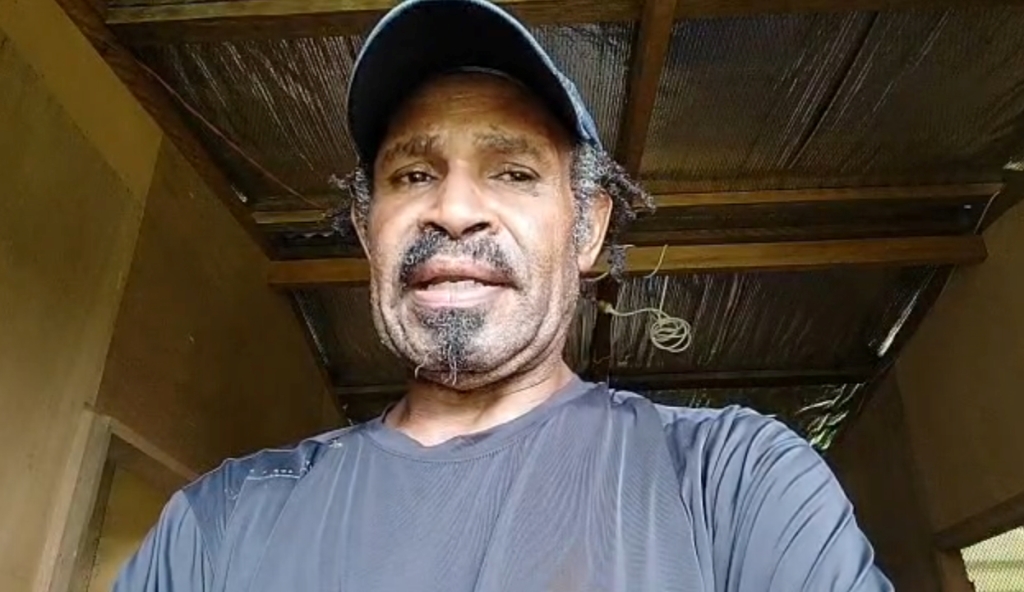

PAPUA – The Spokesperson for the National Command of the West Papua National Liberation Army (TPNPB), Sebby Sambom, delivered an official statement regarding the historical commemoration of May 1. In a statement released by the Headquarter Management, TPNPB provided historical education while expressing a firm stance rejecting the integration narrative built by the Indonesian government.
In his statement, Sebby Sambom emphasized that May 1 is a day of annexation, where the Papuan nation was forced into the territory of the Colonial Government of the Republic of Indonesia through military force. He explained the fundamental difference between the terms "integration" and "annexation," which he believes are often manipulated in the official historical narrative.
"We call it annexation, while Indonesia calls it integration. The meaning of integration or annexation is forcing people through military power via invasion. We, the Papuan nation, reject and assert that we have never integrated into Indonesia," said Sebby Sambom in his direct statement.
Furthermore, Sebby explained that terminologically, "to integrate" (berintegrasi) means there is a voluntary request to join, something he claims never happened with the Papuan nation. He compared the situation to the history of Timor Leste, while emphasizing that Papua was "integrated" (di-integrasikan) by force through manipulative and cunning means via a large-scale military invasion.
TPNPB regards the May 1 commemoration as the starting point of a dark history in the land of Papua. "The commemoration of May 1 is the history of the beginning of genocide in Papua, the beginning of crimes and massacres against the Melanesian ethnicity. We reject May 1, yet continue to commemorate it as a day of human rights violations because at that time, the administration of West Papua was handed over to Indonesia without involving Papuan people," he added.
Sebby also highlighted the aspect of international legality that occurred in 1963, which he referred to as an illegal and undemocratic process. According to him, as the legitimate owners of the land of Papua, the legal position of the Papuan nation is very strong because their rights were ignored in the division of the territory.
Closing his statement, Sebby gave a message to the young generation of Papua to remain aware of history and not give up in the struggle. He also invited all Papuan people currently within the Indonesian government environment to maintain a conscience for the struggle. He believes that Papua's Human Resources (SDM) are currently very ready to manage their own country independently after independence is achieved. ***